 09642 602507

Overview
Male infertility is an area of concern for many couples trying to conceive, yet it often doesn't get the attention it deserves. Male infertility usually stems from difficulties with sperm production, function, or delivery, and there are cultural barriers and a general lack of awareness that can make it even harder to discuss. Fortunately, advances in medical science and fertility treatments now offer a ray of hope for couples desiring to have a baby.
This article will help you get familiar with the causes, signs, and treatment options for male infertility treatment in Bangladesh so that you can take an informed step in starting your family. You will have a clear understanding of what male infertility is, how common it is, and the symptoms that should lead you to seek assistance for the same.
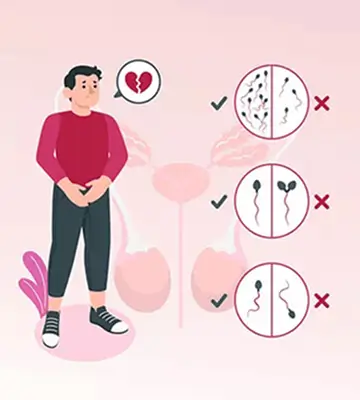
What are Common Male Infertility Problems?

Low Sperm Count
Insufficient quantity of sperm in the semen, which can affect fertility.

Poor Sperm Motility
Reduced ability of sperm to move and reach the egg for fertilization.

Abnormal Sperm Morphology
Irregular shape and structure of sperm, impacting their ability to fertilize an egg.
What is Male Fertility Treatment?
The goal of male fertility treatment is to improve the chances of conception for the couple by addressing the reasons for male infertility using a range of medicinal and surgical techniques. Treatment options vary based on the specific cause and can include hormone therapy, lifestyle changes, surgery, medications, or assisted reproductive techniques. Getting the right diagnosis and timely treatment is crucial.
How Common is Male Infertility in Bangladesh?
Male infertility factors can play a role in delaying a couple’s pregnancy. Hence, if you want to navigate your parenthood journey smoothly, you must know about these factors and approach a specialist to seek appropriate treatment.
The following is a overview of the extent of male infertility in Bangladesh based on the body of current research:
- In a previous 2000-16 study at BIRDEM, oligozoospermia caused couple infertility in 33.3% of cases. In 2010, around 3 million couples in Bangladesh were found to be subfertile, and in 60% of these cases, the infertility problem was seen in the male partner. (ref.)
Note: Existing data are based on clinical studies and regional hospital audits.
Causes of Male Infertility
Male infertility can be attributed to several medical conditions or lifestyle choices. Among the frequent causes are:
- Low Sperm Count (Oligospermia) : Having a lower sperm count allows fewer chances of fertilisation.
- Blockages in the Reproductive Tract : A blockage in the vas deferens or epididymis can prevent sperm from being released.
- Hormonal Imbalances : Being unable to produce sperm due to a disturbance in testosterone or other hormone levels.
- Genetic Causes : Having conditions like Klinefelter's syndrome or Y chromosome deletions.
- Lifestyle & Environmental Factors : Stress, alcohol use, smoking, being overweight, and exposure to pollutants can all negatively impact sperm health.
Symptoms of Male Infertility
When it comes to infertility, men may not present clear signs but may exhibit some persistent issues, such as the following:
- Difficulty in Conception After a Year : You were unable to conceive despite having unprotected sex regularly.
- Sexual Dysfunction : Includes low libido, erectile dysfunction, or ejaculation issues.
- Pain or Swelling in the Testicle Area : It could indicate underlying issues such as infection, varicocele, or some other serious issue.
- Hormonal Imbalance : Signs such as facial/ body hair loss or gynecomastia (enlargement of breast tissue).
Diagnosis of Male Infertility
Before appropriate treatment can be suggested, it is essential to determine the cause of male infertility and make an accurate diagnosis. The most common methods are:
- Hormone Testing: Blood testing for testosterone and other hormones that control the sperm production process.
- Genetic Screening: Blood testing for inherited disorders that can affect fertility. Genetic testing may reveal genetic deficiencies.
- Scrotal Ultrasound: Non-invasive imaging (ultrasound) of the testicles can help determine if there are varicoceles, blockages, or structural abnormalities.
- Physical Examination: A doctor evaluates the genitals for any lumps, swelling, or structural abnormalities that may impact fertility. These tests will help determine the underlying cause and begin therapy-specific treatment.
Male Fertility Treatments
Depending on the cause, male infertility may often be effectively addressed with a variety of methods. Some popular methods for treating male infertility are listed below:
- IVF Treatment: The process of creating an embryo and transferring it into the uterus is known as In Vitro Fertilisation, or IVF.
- ICSI Treatment: One specialised method of IVF that involves injecting a single sperm straight into an egg is called Intra-Cytoplasmic Sperm Injection (ICSI).
- Micro-TESE: When men's ejaculate has no sperm, doctors might suggest microsurgical testicular sperm extraction, which is the direct extraction of sperm from testicular tissue.
- Basic Therapies (Antibiotics, Hormones): Infections or hormonal imbalances may be treated with antibiotics or hormone therapy in hopes of improving sperm quality and quantity.
- Medical Treatment: Medications to address underlying conditions such as varicocele, thyroid conditions, or diabetes may help improve fertility.
- Assisted Reproductive Technology (ART): Includes choices like IVF and ICSI dedicated to male factor infertility.
- Surgical Treatments: Surgical options may include correcting the vasectomy, correcting the varicocele, or surgical retrieval. These may improve options for success.
Cost of Male Infertility Treatment in Bangladesh
The cost of male infertility treatment in Bangladesh varies based on the type and severity of the condition, diagnostic procedures, and the clinic chosen. Costs may be lower in public hospitals, but private clinics offer faster access and advanced technology. Always ask your clinic to provide you with a complete cost breakdown before signing up for the treatment.
Why Choose Indira IVF for Male Infertility Treatment in Bangladesh?
With the requirements of the patients in mind, Indira IVF Bangladesh offers private, superior, and caring reproductive treatment.
- Experienced Male Fertility Specialists in Bangladesh : Highly skilled medical professionals possess a wealth of knowledge in identifying and treating issues related to male reproductive health.
- Affordable Packages for Local Patients : Treatment methods that are tailored to the needs of Bangladeshi families and are reasonably priced.
- Multilingual Support (Bengali, English) : Clear, compassionate approach with all communications in your preferred language.
- Privacy & Confidentiality Ensured : Your health details are handled with the highest level of discretion.
With cutting-edge technology, personalised treatment options, and a compassionate team, Indira IVF offers men the support they need on their journey to fatherhood. Whether it's medical therapy, surgical procedures, or assisted reproductive techniques, you’re in safe hands. Trust Indira IVF - because every dream of parenthood matters.
Frequently Asked Questions
The most common causes of male infertility in Bangladesh include low sperm count, hormonal imbalance, infections, genetics, varicoceles, and lifestyle choices such as smoking, drinking, and being overweight.
Yes, male infertility can often be treated or managed through lifestyle changes, medical management, surgical management, or assisted reproductive technologies, depending on the cause and severity of the problem.
The amount of time it takes to treat or manage male infertility depends on the cause and management selection. Male infertility treatment in Bangladesh can take a few weeks or several months, depending on the complexity of your situation.
Most tests are non-invasive and painless (i.e. semen analysis and testosterone testing). Scrotal ultrasounds are also safe and comfortable procedures.
It is recommended to perform infertility testing when a couple is unsuccessful in conceiving after 12 months of regular unprotected intercourse. If you are aware of risk factors or health issues, then testing would be done sooner.
Yes, male fertility does decline with ageing. Men over 40 have lower sperm quality, reduced testosterone levels, and an increased chance of genetic mutations, which can impact the success of conception and outcomes of pregnancies.
Explore Our Advanced Fertility Treatment Options in Dhaka

IVF (In Vitro Fertilisation)
A cutting-edge fertility treatment that combines eggs and sperm in a laboratory to facilitate successful conception.

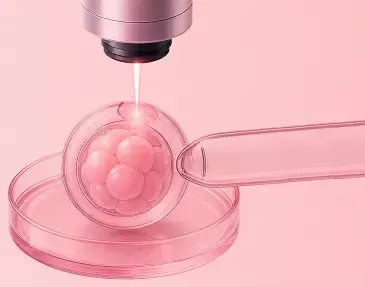
ICSI (Intracytoplasmic sperm injection)
A specialised form of IVF that involves the direct injection of a single sperm into of fertilisation.
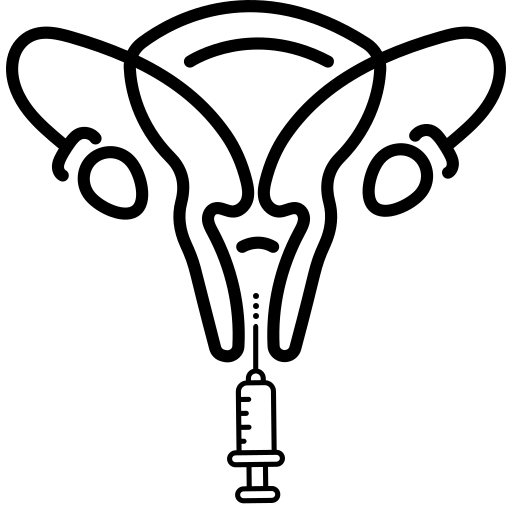
IUI (Intrauterine insemination)
A procedure that involves the placement of prepared sperm directly into the uterus, increasing the likelihood of fertilisation.
Visit us at Indira IVF Hospital in Dhaka, Bangladesh
Indira IVF, 6th Floor, 27 Shaptak Square, Dhanmondi Road No. 16 (old 27), Dhaka 1209

Meet Top Fertility Specialists in Bangladesh at Indira IVF




Why Choose Indira IVF Dhaka for Your Fertility Journey?
Comprehensive Male Infertility Care
Offering a wide range of advanced treatments and services specifically designed to address male infertility concerns effectively.

Experienced and Skilled Specialists in Male Infertility
Access to highly trained fertility experts specializing in diagnosing and treating male infertility with years of experience.

State-of-the-Art Facilities for Male Infertility
Equipped with modern technologies and advanced laboratory services to ensure accurate diagnosis and optimal treatment outcomes for male infertility.
