 09642 602507




Primary Infertility: All You Need to Know

 Expert Verified
How is this page expert verified?
This information has been reviewed and approved by an experienced fertility specialist at Indira IVF to provide accurate and up-to-date guidance for our readers.
x
Disclosure
The information provided here serves as a general guide and does not constitute medical advice. We strongly advise consulting a certified fertility expert for professional assessment and personalized treatment recommendations.
Introduction
Infertility is becoming a growing concern among couples all over the world, with primary infertility representing a significant proportion of cases. It can be both emotionally and physically taxing for those who have been attempting to conceive for some time, yet have been unsuccessful. Once you understand everything about primary infertility, you can choose the right treatment to enhance the likelihood of getting pregnant.
What Are the Causes of Primary Infertility?
Primary infertility has many causes, and these can be categorised into three types: female factors, male factors, and unexplained infertility.
Female factors
- Ovulation is necessary for conception to occur. If an egg is not regularly released from the ovaries, then fertilisation is not possible. Disruptions in ovulation can occur due to thyroid problems or polycystic ovary syndrome.
- If the fallopian tubes are obstructed or damaged, then the sperm and egg cannot meet. Infections, previous surgery, and pelvic inflammatory disease can damage or block the fallopian tubes.
- If there are structural issues with the uterus (e.g., fibroids, polyps, congenital anomalies), they can affect implantation or embryo development.
- Endometriosis occurs when tissue similar to that of the lining of the uterus grows outside the uterus, causing pain and the inability to conceive.
- The ability to conceive declines with age, particularly after age 35, due to fewer and poorer quality eggs.
Male Factors
- Poor sperm motility and low sperm count can affect the possibility of fertilisation.
- The shape or structure of sperm affects its ability to penetrate the egg.
- Hormones play a critical role in sperm production, including testosterone, and when there is an imbalance, this can affect fertility.
- Smoking, drinking alcohol, being obese, and stress can negatively impact sperm quality.
Unexplained infertility can be frustrating, especially for couples who have normal test results; however, they still cannot conceive. These couples have been diagnosed with unexplained infertility.
What Are the Symptoms of Primary Infertility?
There are usually no obvious signs of primary infertility, other than not being able to get pregnant. When evaluating someone for primary infertility, the following symptoms may be observed:
- Abnormal or absent menstrual cycles
- Painful periods or pelvic pain
- Hormonal problems (e.g., excessive body hair or acne)
- Men may experience erectile dysfunction or ejaculation issues
Identifying symptoms as soon as possible can help ensure timely diagnosis and treatment.
How to Determine if You Have Primary Infertility?
To determine primary infertility, both partners will need to be assessed with different types of tests:
- The doctor will take a complete history of previous pregnancy attempts, medical history, perform a physical exam, and evaluate lifestyle and reproductive function.
- Tests may include ovulation tests, hormonal tests, ultrasound, and Hysterosalpingography to determine if the fallopian tubes are patent.
- Tests for men include semen analysis, hormonal tests, and genetic tests if needed.
Timely diagnosis of primary infertility helps the physician to identify the underlying cause and prescribe appropriate treatment.
Treatment Methods for Primary Infertility
Generally, treatment depends on the cause of infertility. Treatment methods for primary infertility include:
Simple lifestyle changes can greatly enhance your fertility. You can manage weight, reduce stress, avoid alcohol and smoking, and eat a well-balanced diet.
Fertility medications may be used to help stimulate ovulation or correct a hormonal imbalance.
Surgical interventions may be necessary to repair any structural defects.
Assisted Reproductive Technologies
IVF (In Vitro Fertilisation) is the technique of fertilising an egg outside the body, in a laboratory setting, then transferring the resulting embryos into the uterus (embryos) into the uterus.
Intrauterine insemination is a technique in which a physician will deposit sperm into the uterus using a medical procedure, with the intent of increasing an individual's chance of conception.
ICSI (Intracytoplasmic Sperm Injection) is the technique used to inject a single viable sperm directly into an egg. This technique has shown very good results in men who do not produce enough sperm.
Conclusion
Primary infertility is a difficult condition to deal with, but it can be treated using the right treatment method. Couples can conceive by finding the cause of primary infertility and seeking help from a doctor as soon as possible. With the proper treatment, guidance, and support from a qualified healthcare provider, many couples have achieved success in starting a family by finding a solution to their primary infertility.
Frequently Asked Questions
Is hormonal imbalance a cause of infertility?
When should we consult a healthcare professional about our inability to conceive naturally?
Is age an important factor regarding primary infertility?
Are there ways to treat primary infertility?
Do irregular cycles cause primary infertility?
Meet Top Fertility Specialists in Bangladesh at Indira IVF
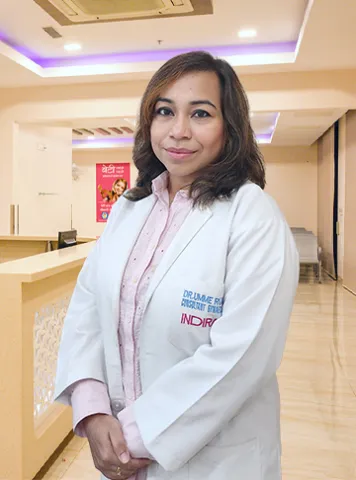
Dr. Umme Ruman
Chief Infertility Specialist, MBBS(DU), FCPS(Obstetrics and Gynaecology), Fellowship in Assisted reproduction
Dr. Umme Ruman is a BMDC-registered infertility specialist based in Dhaka. She holds advanced qualifications in assisted reproductive techniques, sexual and reproductive medicine. Dr. Ruman serves as a Chief Consultant at Indira IVF Dhaka, helping patients with personalised fertility care based on her vast experience and expertise. Her knowledge and compassion will support couples navigating reproductive health challenges and guide them effectively towards their parenthood dreams.
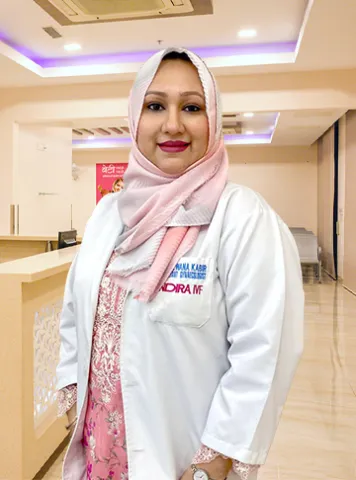
Dr. Rezwana Kabir
IVF specialist, MBBS (SSMC), MS (Obstetrics and Gynaecology), Fellowship in Assisted reproduction
Dr. Rezwana Kabir is a BMDC-registered specialist in obstetrics and gynaecology, and now a part of Indira IVF’s team of fertility specialists in Bangladesh. She combines medical proficiency with a patient-centric approach, offering tailored solutions to couples seeking fertility assistance. She is committed to helping individuals confidently navigate the journey to parenthood through ethical, empathetic, and evidence-based care.
.

