 09642 602507

Living with Endometriosis
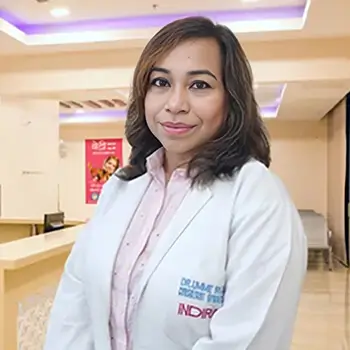
 Expert Verified
How is this page expert verified?
This information has been reviewed and approved by an experienced fertility specialist at Indira IVF to provide accurate and up-to-date guidance for our readers.
x
Disclosure
The information provided here serves as a general guide and does not constitute medical advice. We strongly advise consulting a certified fertility expert for professional assessment and personalized treatment recommendations.
Synopsis
Endometriosis is a condition in which tissue similar to the lining of the uterus (endometrium) grows outside the uterus. The endometrial tissue grows during a woman's menstrual cycle, although it sheds during this time, just like the tissue inside the uterus. There is no way for it to leave the body, which can be very painful and debilitating. Women suffering from this problem must understand how to properly manage their symptoms through lifestyle changes and medical treatment to lead a normal life. If you want to learn about these lifestyle changes, keep reading for some great suggestions. Endometriosis is a chronic condition with no definitive cure, although symptoms can often be managed effectively.

Medical Treatment for Endometriosis
The doctor may prescribe various kinds of hormone therapy in the form of pills or injections. Be sure to follow all instructions from the doctor when taking these medications. Some hormonal treatments reduce oestrogen levels and may create temporary menopause-like symptoms, such as hot flashes, vaginal dryness, and mood swings. If you do decide to stop taking the medication at any point in time, make sure you speak to your doctor first. Very importantly, you must tell your doctor if you experience any adverse side effects from the medications.
Pain relief medications can help alleviate endometriosis pain. If you tend to experience more pain just before or during your menstrual periods, start taking pain relief medications 1-2 days before your menstrual period.
Self-Care Tips to Manage Endometriosis Symptoms
Women diagnosed with endometriosis can also use the following self-care tips to manage symptoms:
- Using a hot water bottle or heating pad on your lower abdomen can improve blood circulation. It may also help to relax your muscles. You may also relieve your pain with warm baths.
- Lie on your back with a pillow beneath your knees, or on your side with your knees drawn up toward your chest; these positions might relieve back stress.
- Maintain a balanced, healthy, and varied diet to keep your weight manageable and your body healthier.
- Keeping physically active may help improve circulation and release your body's natural pain-relieving hormones, which are called endorphins.
- Many women find that acupuncture relieves their period pain. Studies also show that acupuncture can be effective in treating long-term chronic pain.
If self-help treatment for pain doesn't help sufficiently, consult a specialist about alternative therapies.
Surgical Treatment for Endometriosis
Surgery may be considered for moderate to severe endometriosis or when symptoms do not improve with other treatments. Conservative resection means the removal of endometrial tissue, and hysterectomy means the removal of the uterus and often the ovaries and fallopian tubes. These are the two types of surgical treatments for patients with endometriosis.
Get Help and Connect with Others.
It may take several years to get diagnosed with endometriosis. Most women feel lost and confused about their health until they get diagnosed. Many women face relationship stress, have difficulty in having a sexual relationship with their partners, and face social and financial issues due to symptoms and other related issues. You are not alone. There are proactive things you can do to lessen the burden of endometriosis and lead an enjoyable and rewarding life. Talking openly and honestly with your partner or looking to obtain support through a counselor or support group can help to ease your mental and physical pain and other symptoms related to endometriosis.
Conclusion
As each woman experiences endometriosis differently, treatment must be individually assessed and determined by a physician. With all of the treatment options available, a person with endometriosis needs social support from loved ones, a counselor, or a group to deal with the emotional effects of the disease. Women with endometriosis can learn to effectively manage their symptoms and live active, meaningful, and productive lives with appropriate treatment, diagnosis, and care.
Frequently Asked Questions
Because many of the symptoms associated with endometriosis can also occur in other medical conditions, such as pelvic inflammatory disease or irritable bowel syndrome, it may take some patients years to obtain an accurate diagnosis of endometriosis.
Some patients might need surgical intervention to treat their endometriosis; for the majority of patients, symptoms can be effectively managed with medication, hormonal therapy, or lifestyle modifications.
The presence of inflammation, scarring, and other damage to the reproductive organs can contribute to infertility for someone with endometriosis.
If you have endometriosis and are having frequent flare-ups, it may be possible that stress is making those episodes worse.
While endometriosis is classified as a chronic illness, symptoms can often be managed through lifestyle modifications and good medical care.