 09642 602507

Overview
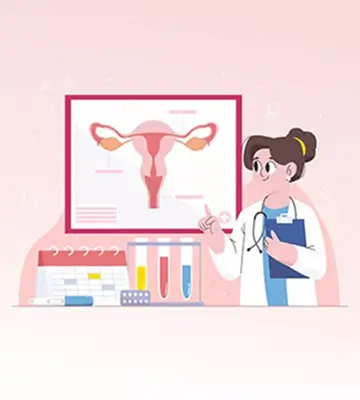
Irregular periods, unexplained infertility or recurrent miscarriages are problems that are a lot to deal with, especially if you don’t have any answers about why this is happening inside your uterus. This is where hysteroscopy comes in.
Hysteroscopy is a modern, minimally invasive procedure that allows doctors to get a clear view of your uterus. This way, they can find any hidden issues that might be affecting your reproductive health. Unlike other major surgeries, it is a quick and safe procedure. In Bangladesh, a lot of women facing fertility changes are undergoing hysteroscopy as a diagnostic or treatment procedure. With advanced fertility centres coming up in the country, more women are gaining access to this advanced procedure for accurate diagnosis and treatment
What is Hysteroscopy?
Hysteroscopy, as the name suggests, involves the use of a slim, lighted tube called a hysteroscope. The doctor will insert the instrument into your uterus through the vagina in order to get a better view of the uterine lining in real time.
Hysteroscopy is not just a diagnostic procedure. The doctor cannot just find problems, but treat them as well. Whether it is fibroids, scar tissue, or a small polyp, the issues can be fixed right then and there, without any stitches or cuts.
When is Hysteroscopy Recommended?
There are a multitude of reproductive health scenarios that might require hysteroscopy. Here are a few common ones:
| Condition | Reason for Recommendation |
|---|---|
| Abnormal Uterine Bleeding | Determine why you are having heavy, prolonged, or irregular menstrual bleeding. |
| Uterine Polyps or Fibroids | Detect and remove non-cancerous growths affecting your periods or fertility. |
| Infertility Evaluation | Examine the uterine cavity to check for structural abnormalities that might be impacting conception. |
| Recurrent Miscarriages | Look for any adhesions or anomalies that might be causing miscarriage. |
| Retained Products of Conception | Remove any tissue left after delivery, miscarriage, or abortion. |
| Adhesions or Scar Tissue | Diagnose and treat Asherman’s syndrome, which can cause light or absent menstrual periods. |
| Abnormal Ultrasound Findings | Investigate issues that have been detected in previous tests. |
| Suspected Uterine Septum | Confirm and correct a congenital uterine partition affecting fertility. |
Types of Hysteroscopy
Hysteroscopy is broadly classified into two categories: diagnostic and operative. Both serve unique purposes and are chosen based on the patient’s symptoms and medical history.
1. Diagnostic Hysteroscopy
This type of hysteroscopy is used to examine the uterus and identify abnormalities. It is often recommended when a patient experiences:
- Unexplained infertility
- Abnormal bleeding
- Recurrent miscarriages
- Suspected intrauterine adhesions or fibroids
Key Features of Diagnostic Hysteroscopy:
- Usually a short procedure (10–30 minutes).
- May be performed without anaesthesia or under local anaesthesia.
- Conducted in an outpatient setting, allowing same-day discharge.
- May be combined with other diagnostic tests such as a laparoscopy.
2. Operative Hysteroscopy
If an abnormality is detected during the diagnostic phase or is already known from other imaging tests, operative hysteroscopy is performed to treat the issue.
Common Conditions Treated Using Operative Hysteroscopy:
- Removal of polyps or fibroids
- Cutting or removal of the uterine septum
- Lysis of adhesions (scar tissue)
- Retrieval of foreign bodies like IUDs
- Biopsy or removal of abnormal tissue
Procedure Highlights:
- Requires anaesthesia (local, spinal, or general) depending on complexity.
- Special instruments are inserted through the hysteroscope for treatment.
- The procedure may take 30–90 minutes, depending on the specific treatment.
- Most patients recover quickly and go home the same day.
Benefits of Hysteroscopy
Hysteroscopy is a preferred procedure in modern gynaecological care due to its safety, accuracy, and minimal invasiveness. It offers numerous advantages over traditional surgical methods, especially for diagnosing and treating intrauterine conditions.
- Minimally Invasive : Unlike open surgery, hysteroscopy requires no cuts or stitches, reducing physical trauma.
- Short Recovery Time : Most patients return to daily activities within 24–48 hours.
- Accurate Diagnosis : Direct visualisation of the uterus allows for pinpoint accuracy in identifying abnormalities.
- Immediate Treatment : Many conditions, such as polyps or adhesions, can be treated during the same session.
- Reduced Hospital Stay : Often performed as an outpatient procedure, avoiding overnight admission.
- Lower Infection Risk : Since there are no external incisions, the risk of post-operative infection is minimal.
- Preservation of Fertility : It helps treat conditions that impact fertility while preserving the uterus.
- Less Pain and Discomfort : This is especially true with modern hysteroscopic techniques and improved anaesthesia options.
- Cost-Effective : It reduces the need for multiple diagnostic tests or invasive surgeries, making it a more economical choice over time.
Hysteroscopy is an excellent option for women seeking a safe, efficient, and fertility-friendly approach to diagnosing and treating uterine issues.
Cost of Hysteroscopy in Bangladesh
The cost of hysteroscopy in Bangladesh can vary depending on the type of procedure (diagnostic or operative), the complexity of the case, the medical facility chosen, and the services included. While exact pricing should be confirmed directly with the hospital or clinic, most fertility centres offer transparent and flexible options to make the procedure accessible for more women.
Here are a few key points to consider:
- Insurance Coverage: Some health insurance providers in Bangladesh may cover hysteroscopy if it is deemed medically necessary. It's best to check with your insurer for details.
- EMI or Instalment Options: Selected fertility centres may offer easy instalments or EMI plans to help ease the financial burden for patients undergoing diagnostic or operative hysteroscopy.
- Always consult directly with the clinic for the most accurate and updated information.
Why Choose Indira IVF in Bangladesh?
When it comes to fertility diagnostics like hysteroscopy, quality, privacy, and clinical expertise matter. Here's why Indira IVF Bangladesh stands out:
- Advanced IVF Labs: Ensures the highest standards in diagnostic accuracy and safety protocols.
- Female Gynaecology Experts: For women who prefer female doctors for comfort and privacy.
- Privacy Assured: Confidential consultations and safe, discreet care are our top priorities.
- All facilities under one roof: Convenient access to fertility testing and a range of treatment options under one roof.
Our teams use the latest hysteroscopic tools and techniques, ensuring each patient receives world-class care with compassion and transparency.
Frequently Asked Questions
Most patients report mild cramping or discomfort during the procedure. Diagnostic hysteroscopy can be done without anaesthesia, while operative procedures may require local or general anaesthesia to avoid pain.
Recovery is usually quick. Most women can return to normal activities within 24–48 hours. Some light bleeding or spotting may occur for a few days post-procedure.
Yes. If uterine abnormalities like polyps, adhesions, or septums are affecting fertility, operative hysteroscopy can treat these issues and improve the chances of conception.
It depends on the type of hysteroscopy. Diagnostic procedures may not need anaesthesia, while operative hysteroscopy usually requires local, spinal, or general anaesthesia for patient comfort.
Hysteroscopy is considered safe, but as with any procedure, there are some minor risks, including:
- Uterine perforation (very rare)
- Infection
- Bleeding
- Adverse reaction to anaesthesia (if used)
These risks are significantly reduced when performed by skilled and experienced medical professionals under sterile conditions.
Visit us at Indira IVF Hospital in Dhaka, Bangladesh
Indira IVF, 6th Floor, 27 Shaptak Square, Dhanmondi Road No. 16 (old 27), Dhaka 1209

Meet Top Fertility Specialists in Bangladesh at Indira IVF


Advanced Fertility Treatments with State-of-the-Art Technology

Closed Working Chambers Technology
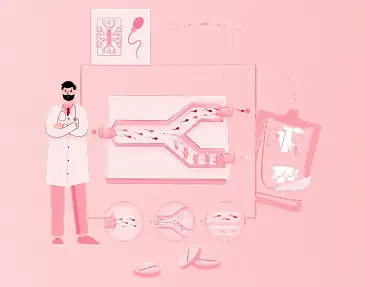
Microfluidic Sperm Sorter Technique
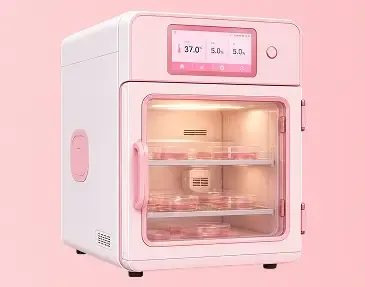
Advanced Incubators

24*7 Monitoring System
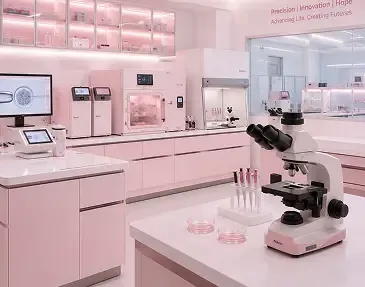
World-class laboratories
Why Choose Indira IVF Dhaka for Your Fertility Journey?

Accessibility
Making advanced laboratories and world-class technology easily accessible at Indira IVF Clinic in Bangladesh.

Affordability
Providing budget-friendly IVF price in Bangladesh so that every couple can get top-notch fertility

Assurance
Assurance from top fertility experts and technology for maximum success chances.

Awareness
Empowering patients to make the right choices through our transparent care & step-by-step guidance.

Advanced IVF Technology
Using advanced IVF technology and modern fertility solutions to support every step of your parenthood journey.

Fertility care under one roof
Complete fertility consultation, diagnosis, and treatment services available in one place.
