 09642 602507

Overview
A successful pregnancy is the result of a successful fertilisation process. But there are several stages preceding this milestone. One of them is successful implantation – a very crucial process of the embryo getting attached to the woman’s endometrium lining. This eventually leads to a positive pregnancy. But for some embryos, this procedure does not happen naturally. This is where Laser Assisted Hatching (LAH) steps in — an advanced procedure used to assist these embryos to overcome barriers and get implanted. This article will help you understand how this small, yet powerful intervention can flip the outcome of IVF.
What is Laser Assisted Hatching?
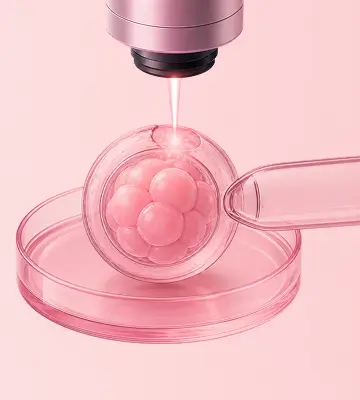
Laser Assisted Hatching is a micromanipulation technique used to break open the zona pellucida — the outer layer of the embryo — during IVF. The zona pellucida, typically a naturally thin and fragile layer, can sometimes fail to hatch, leading to unsuccessful implantation. In LAH, a precise and accurate laser beam is used to create a small opening or thin out this layer, helping the embryo hatch with ease and eventually implant in the womb. It is quick, minimally invasive, and, most importantly, safe for the embryo.
Who Needs Laser-Assisted Hatching?
Laser Assisted Hatching is generally recommended for patients with difficulty in naturally hatching embryos due to unprecedented circumstances. These may include:
- Age-related issues - Women aged 35 or above may have poor embryo quality and implantation issues.
- Frozen embryos - Couples using frozen or thawed embryos for their subsequent cycle can cause hardening of the shell.
- Abnormality - Embryos with an uncommonly thick zona pellucida.
- Unexplained infertility - Couples facing unexplained fertility challenges can also benefit from LAH.
In these situations, LAH may help to enhance implantation conditions by facilitating a smoother route for the embryo to reach the uterine wall.
How Laser Assisted Hatching Works:
The Laser Assisted Hatching procedure takes only a few seconds, making it swift and painless under the microscope. Here’s how the procedure works:
| S.No. | Step | Description |
|---|---|---|
| 1 | Embryo Creation | Under the guidance of experienced embryologists, eggs are fertilised and cultured into embryos. |
| 2 | Embryo Assessment | Embryologists assess the outer layer of the fertilised embryo to determine the need for LAH. |
| 3 | Laser Application | If required, a highly controlled laser ray is used to breach the embryo or to thin the shell. |
| 4 | Embryo Transfer | After careful monitoring, the laser-applied embryo is carefully transferred into the uterus for implantation. |
Benefits & Risks of Laser-Assisted Hatching Treatment:
Like any other fertility treatment, laser-assisted hatching also brings a set of benefits as well as risks. Let’s explore some of them so that you may make an informed decision:
Benefits of LAH:
- It is a minimally invasive procedure; hence, optimal for embryo-to-uterus interaction.
- Improves chances of implantation in challenging IVF situations.
- Suits in conditions of frozen and thawed embryos.
- Provides non-surgical, secure micromanipulation with safer laser technology.
Risks of LAH:
- Not necessarily successful in every instance.
- Risk of embryo damage (though extremely uncommon if properly performed).
- It can also increase the chances of having multiple gestations.
- If damaged, the embryo can develop into babies with birth defects.
Although these complications are rare, a series of tests and assessments is generally done to determine the suitability of the procedure.
Laser-Assisted Hatching Success Rates in Bangladesh:
Laser Assisted Hatching is not a standalone fertility treatment but rather a supportive one. This supports another fertility treatment like In Vitro Fertilisation, to enhance its success rate, most specifically during the implantation period.
However, the outcome of the laser-assisted hatching, in Bangladesh or anywhere else, still depends upon:
- The personal health of the patient
- Number of IVF failures
- Age-related challenges or other medical history
- Frozen embryo transfers
- Quality of the embryo
Laser-Assisted Hatching Cost in Bangladesh
The cost of Laser Assisted Hatching can vary depending on several factors, and Bangladesh is no exception. Some of these factors include:
- The Type of IVF Package Chosen : LAH may or may not be part of your personalised IVF plan.
- The number of IVF cycles : The more the number of cycles, the more times the embryos undergo LAH.
- Geographical Location of the Fertility Centre : Fertility centres in metro cities may be more expensive than those in remote areas.
- Experience of the Embryology team : Typically, the embryology team with more experience charges more in comparison to their counterparts.
Why Choose Indira IVF for Laser-Assisted Hatching in Bangladesh?
Confused about which fertility centre to choose for Laser Assisted Hatching? Try Indira IVF — a one-stop solution for all your fertility concerns, and here are the reasons why:
- High-end, state-of-the-art laser technology is utilised by trained and experienced embryologists.
- Modern and advanced labs to ensure the safety of the embryos.
- The patient-centric approach enables customising the treatment to suit the unique needs of each individual and couple.
- Personalised treatment planning and execution to get the best possible results.
Laser Assisted Hatching is an art of modern science. By supporting embryos during the critical implantation stage, this technique offers an added layer of precision to IVF treatments, especially for those facing age-related or repeated cycle challenges. While it’s not required for every case, LAH may offer hope where natural barriers exist. A fertility expert can help determine if this intervention fits your unique journey toward parenthood.
Frequently Asked Questions
Yes, when done by qualified professionals, it is safe and non-invasive.
No. The laser only targets the external shell and does not come into contact with the embryo itself.
Only a few seconds per embryo at the time of lab handling.
Not always. It is typically used in certain high-requirement cases.
It depends on age, the quality of the embryo, and medical history.
Visit us at Indira IVF Hospital in Dhaka, Bangladesh
Indira IVF, 6th Floor, 27 Shaptak Square, Dhanmondi Road No. 16 (old 27), Dhaka 1209

Meet Top Fertility Specialists in Bangladesh at Indira IVF
Advanced Fertility Treatments with State-of-the-Art Technology
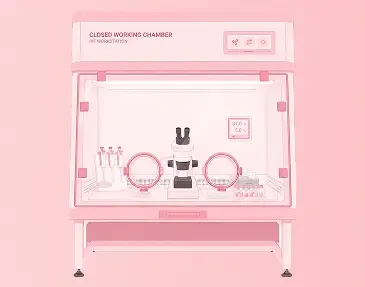
Closed Working Chambers Technology
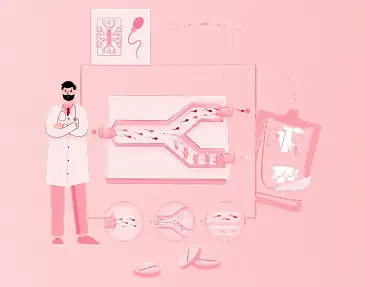
Microfluidic Sperm Sorter Technique
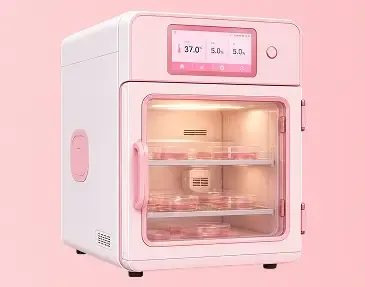
Advanced Incubators
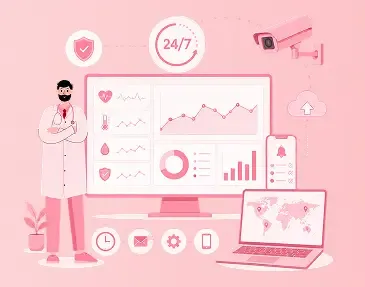
24*7 Monitoring System
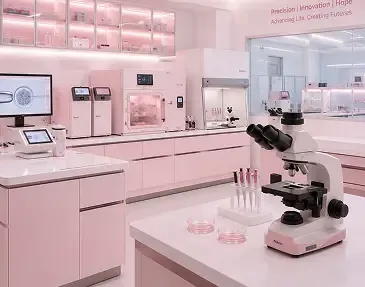
World-class laboratories
Why Choose Indira IVF Dhaka for Your Fertility Journey?

Accessibility
Making advanced laboratories and world-class technology easily accessible at Indira IVF Clinic in Bangladesh.

Affordability
Providing budget-friendly IVF price in Bangladesh so that every couple can get top-notch fertility

Assurance
Assurance from top fertility experts and technology for maximum success chances.

Awareness
Empowering patients to make the right choices through our transparent care & step-by-step guidance.
Advanced IVF Technology
Using advanced IVF technology and modern fertility solutions to support every step of your parenthood journey.

Fertility care under one roof
Complete fertility consultation, diagnosis, and treatment services available in one place.
