 09642 602507


Overview
Laparoscopy is a relatively new type of surgery and is the preferred method of diagnosis and treatment for various abdominal and pelvic diseases today. This article explains the different procedures of laparoscopy, how laparoscopic surgery works, its advantages, the costs of laparoscopic surgery and recovery after laparoscopic surgery. Whether you are trying to get fertility treatments, treating gallbladder disease, or have a gynaecologic issue, a better understanding of how this surgery works will better equip you to make an informed decision regarding your health care.
Introduction
Laparoscopy, sometimes known as ‘keyhole surgery’, is a minimally invasive surgical technique that is excellent for examining, identifying, or treating disorders of the abdomen or pelvis. Because it involves relatively minor cuts or post-operative wounds rather than incisions, this style of surgery is appealing to many patients. Because laparoscopic surgery is often less intrusive than open surgery, it is considered safer and aids healing and comfort.
Whether it’s for diagnosing or operating, laparoscopy has several benefits over open surgery, and this article details a significant rise in its popularity in Bangladesh, along with details on average costs, procedures, and recovery time for patients who are looking for a modernised way to treat diseases.
What Is Laparoscopy?
Laparoscopy includes making small incisions in your abdominal wall where a laparoscope- a thin tube containing a camera and light is inserted. The camera on the laparoscope sends an image of the inside of your belly or pelvis to a monitor in real time. Using these images, surgeons can take note of the movement of their hands during the laparoscopic procedure. This technique is a highly sophisticated way to diagnose or treat conditions like endometriosis, ovarian cysts, fibroids, gallstones, hernias, or appendicitis.
Laparoscopy is becoming a favoured choice because of its high precision, minimal loss of blood and fewer chances of infections, and most of the hospitals are offering it as an alternative choice for routine general or reproductive health surgeries.
Why Choose Laparoscopy Over Traditional Surgery?
Here are the key advantages of opting for minimally invasive surgery:
Minimally Invasive:
Small incisions mean less damage to skin and muscles. Hence, healing occurs much faster, and scars usually lighten and reduce to minor lines or none at all.
Faster Recovery:
One of the primary benefits of laparoscopy is that it allows for faster healing than conventional surgery. Smaller incisions equate to less tissue trauma, and less damage to your abdominal muscles enables you to return to your usual routines much sooner.
Less Post-operative Pain:
Unlike traditional ‘open surgery’, where layers of muscle or tissue are cut through, laparoscopic incisions are shorter and less likely to create damage around the surgical site. This means that less pain will be felt once the anaesthesia wears off and you are healed.
Lower Infection Risk:
Laparoscopic surgery can mean less chance of post-operative infection than with open surgery, because small cuts are less likely to expose your internal organs to outside contaminants. This results in decreased bacterial contamination and surgical site infections, as well.
Cosmetic Advantage:
For most patients, the cosmetic result of a surgical procedure is also an important factor. Conventional open surgery produces large, prominent scars, whereas laparoscopy incisions result in negligible scarring.
These advantages are making the keyhole surgery popular among patients seeking safer and faster surgical procedures.
Types of Laparoscopic Procedures
Here are common procedures done using laparoscopy
Diagnostic Laparoscopy:
Diagnostic laparoscopy is a procedure that allows the surgeon to directly visualise the abdominal and pelvic organs for diagnostic purposes when the intra-abdominal process is not definitive with other tests.
Laparoscopic Appendectomy:
This was the traditional procedure used to treat acute appendicitis. The laparoscopic appendectomy usually has a shorter hospital stay, less pain and fewer scars than an open appendectomy.
Laparoscopic Cholecystectomy:
Gallbladder removal surgery (cholecystectomy) is a typical example of laparoscopic surgery, and it is one of the most frequently performed laparoscopic operations. Generally, this operation is done for patients with gallstones that are causing pain or an infection (cholecystitis).
Gynaecologic Laparoscopy:
This procedure is a minimally invasive surgical procedure used to diagnose and treat several conditions in the female reproductive organs.
Laparoscopic Hernia Repair:
This procedure is a laparoscopic technique to repair a hernia defect in the abdominal wall using small incisions, telescopes and a patch (mesh). Usually, this surgery is performed using three small incisions on your abdomen.
These surgeries are proven to be safer, faster and less painful than traditional open surgeries.
Recovery After Laparoscopy
The laparoscopy recovery period is generally very short. During the post-operative phase, patients are typically mobilised to a recovery room for one hour, during which the provider observes vital signs.
Most patients go home the same day or within 24 hours. But this can vary from case to case.
Mild abdominal pain, bloating, or shoulder pain from gas may be felt.
After a laparoscopy, nausea is rather frequent. The most common cause of nausea is anaesthetic medications.
Discomfort will typically subside in a day or two.
Rest is necessary. During the first few days post-operation, avoid heavy lifting and running or any activities that cause vigorous exertion of strength.
A majority of patients will be back to work and resume their daily activities within a week or two.
The doctor will schedule follow-up appointments to monitor healing and recovery.
It is critical to adhere to the post-operative guidelines to avoid any infection or complication. If at any point the pain or discomfort gets significantly worse or if a fever develops, call your physician right away.
Frequently Asked Questions
The recovery time for laparoscopic surgery varies, but most people can resume normal activities within a week or two.
Laparoscopy done by the experts using highly advanced technology is less painful as compared to traditional open surgery, but mild discomfort or soreness is common after the procedure.
Yes, general anaesthesia is typically used during laparoscopic surgery to ensure that the patient is unconscious and pain-free throughout the procedure.
Laparoscopy can be used to treat infertility caused by PCOS by reducing ovarian cysts, restoring ovulation, and improving chances of conception, or used with other fertility treatments for better results.
Visit us at Indira IVF Hospital in Dhaka, Bangladesh
Indira IVF, 6th Floor, 27 Shaptak Square, Dhanmondi Road No. 16 (old 27), Dhaka 1209

Meet Top Fertility Specialists in Bangladesh at Indira IVF


Advanced Fertility Treatments with State-of-the-Art Technology

Closed Working Chambers Technology
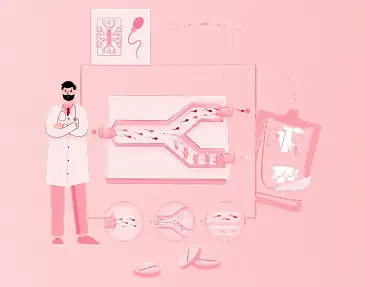
Microfluidic Sperm Sorter Technique

Advanced Incubators

24*7 Monitoring System
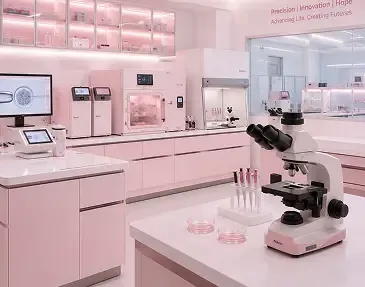
World-class laboratories
Why Choose Indira IVF Dhaka for Your Fertility Journey?

Accessibility
Making advanced laboratories and world-class technology easily accessible at Indira IVF Clinic in Bangladesh.

Affordability
Providing budget-friendly IVF price in Bangladesh so that every couple can get top-notch fertility

Assurance
Assurance from top fertility experts and technology for maximum success chances.

Awareness
Empowering patients to make the right choices through our transparent care & step-by-step guidance.

Advanced IVF Technology
Using advanced IVF technology and modern fertility solutions to support every step of your parenthood journey.

Fertility care under one roof
Complete fertility consultation, diagnosis, and treatment services available in one place.
