 09642 602507


Overview
Choosing IVF is a significant step, and it is natural to want every detail of your journey handled with the utmost care. Much of that care happens behind closed doors in the IVF laboratory, where our embryologists handle delicate eggs, sperm, and embryos. Because these cells are highly sensitive to their environment, even the air quality around them matters. When you choose IVF, you trust a clinic with something deeply precious. It is natural to want every detail handled with care. Much of that care happens in a place you may never see. The IVF laboratory is where we handle eggs, sperm, and embryos. These cells are very delicate. Even the air around them matters.
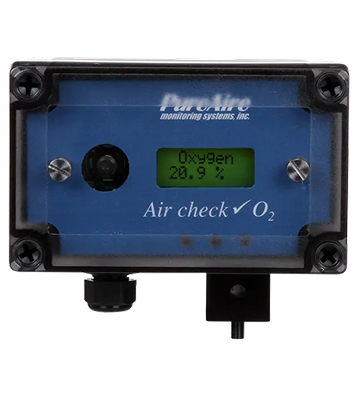
At Indira IVF, we use an air monitoring system in our laboratory. It constantly monitors the air, so our embryologists can focus on your embryos. This article explains the system and its value to you.
Why Air Quality Matters in an IVF Laboratory
Embryos grow in a small and closely controlled space. Inside the body, the womb and fallopian tubes protect them. In a laboratory dish, they depend on a clean environment. Researchers describe eggs, sperm and embryos as very sensitive to their surroundings. They lack the natural defences that other cells have.
Particulate matter and VOCs are the main threats to laboratory air. Particulate matter is fine dust and liquid droplets, and bacteria or spores can cling to it. VOCs are gases released by paint, plastic, cleaning liquids, and perfume. Some can damage cells.
Both particles and chemical pollution may affect IVF results. The existing data suggest that lower pollution levels are better. While a pristine laboratory environment is only one piece of the fertility puzzle, we consider clinical-grade air quality an essential safeguard that helps provide embryos with a suitable environment for development.
Common Sources of Air Pollution
Laboratory air can pick up pollutants from many places. Here are the common sources:
- Outdoor air, including traffic fumes, construction dust and factory emissions
- Building materials such as paint, adhesives, wood furniture and vinyl flooring
- Cleaning products, especially those with an alcohol base
- Plastic dishes and other laboratory plasticware
- Compressed gas cylinders used with incubators
- Perfumes, aftershaves and cosmetics worn by people who enter the room
- Mould and microorganisms on surfaces and in the air
Careful design and good habits limit these sources. Monitoring then helps confirm that the controls are working.
Air Parameters We Monitor
The air monitoring system tracks several readings together. A centralised dashboard brings them into one view. The team can compare readings side by side and quickly spot changes.
| Parameter | Meaning | Reason for monitoring |
|---|---|---|
| Total VOCs (TVOC) | The combined level of VOC gases in the air | Some VOCs can harm sperm and embryos |
| Temperature | The warmth of the laboratory | Stable conditions support delicate procedures |
| Humidity | The amount of moisture in the air | Damp air can encourage mould growth |
| Carbon dioxide (CO2) | The level of CO2 in the room | Helps show whether room air stays fresh |
| PM 2.5 | Very fine dust particles | Fine particles can carry bacteria and spores |
| Particle counts | The number of particles in a set volume of air | Shows how clean the air is and whether filters work |
Real-Time Monitoring and Alerts
The sensors work around the clock. Some use a method called photoionisation detection. It reacts to VOC gases within seconds and can pick up very small amounts. Readings flow to the dashboard, which also stores historical data. The team can look back over days and weeks and compare trends.
If a reading moves outside the set range, the system can raise an alert. The team can then investigate and take appropriate action. The alert threshold and response protocol should be established according to the monitoring system's specifications and the laboratory's validated procedures.
Standards and Safe Levels
Common monitoring parameters include VOCs, temperature, relative humidity, differential pressure, and air change rate. IVF laboratories use environmental controls and monitoring procedures to maintain suitable laboratory conditions.
- HEPA filtration: HEPA filters are designed to remove at least 99.97% of particles measuring 0.3 microns under the specified test conditions.
- Total VOCs: Appropriate limits depend on the substances being measured, the sensor and the laboratory's validated requirements.
- Aldehydes: Monitoring requirements depend on the specific compound and the laboratory's environmental control protocol.
- Microbial monitoring: Testing frequency should follow the laboratory's quality management procedures and applicable guidance.
Note: Air-quality limits and monitoring frequencies can vary. A universal VOC threshold or fixed microbial testing interval should not be assumed to apply to every IVF laboratory.
What This Means for You
For our patients, this system provides additional reassurance about laboratory environmental controls. The monitoring runs in the background, helping our embryology team identify changes and investigate potential problems. Your doctor can answer questions about laboratory standards and environmental monitoring during your consultation. We believe you deserve clear and honest answers.
Conclusion
Couples who start IVF hope to give their embryos the best possible conditions for development. Indira IVF's air monitoring system is one part of the laboratory quality controls designed to maintain a stable and carefully monitored environment.
It helps the laboratory team monitor environmental conditions and respond to changes when necessary. Although air monitoring cannot guarantee embryo development or pregnancy, it supports the broader quality-control measures used during assisted reproduction.
Thinking about IVF? Book a consultation at Indira IVF Clinic to discuss your treatment options and learn more about the laboratory procedures that support your care.
Frequently Asked Questions
It is a set of sensors that measure the quality of the laboratory air. They track gases, dust, temperature and humidity. The readings appear on a dashboard that the team checks.
In the body, the womb and fallopian tubes surround an embryo. In the laboratory, it sits in a small dish inside an incubator, and room air can reach it each time the door opens. Fumes and dust in that air can get in, so we measure them.
VOCs are gases released by items such as paint, plastics, cleaning products and perfume. Some can be harmful to cells. This is why laboratories measure them.
No, many factors affect IVF results. Research suggests clean air helps, but the evidence is not yet conclusive.
No, the laboratory team manages the air quality. You only need to follow your doctor's guidance.
Meet Top Fertility Specialists in Bangladesh at Indira IVF


Visit us at Indira IVF Hospital in Dhaka, Bangladesh
Indira IVF, 6th Floor, 27 Shaptak Square, Dhanmondi Road No. 16 (old 27), Dhaka 1209

Why Choose Indira IVF Dhaka for Your Fertility Journey?

Accessibility
Making advanced laboratories and world-class technology easily accessible at Indira IVF Clinic in Bangladesh.

Affordability
Providing budget-friendly IVF price in Bangladesh so that every couple can get top-notch fertility

Assurance
Assurance from top fertility experts and technology for maximum success chances.

Awareness
Empowering patients to make the right choices through our transparent care & step-by-step guidance.

Advanced IVF Technology
Using advanced IVF technology and modern fertility solutions to support every step of your parenthood journey.

Fertility care under one roof
Complete fertility consultation, diagnosis, and treatment services available in one place.
