 09642 602507


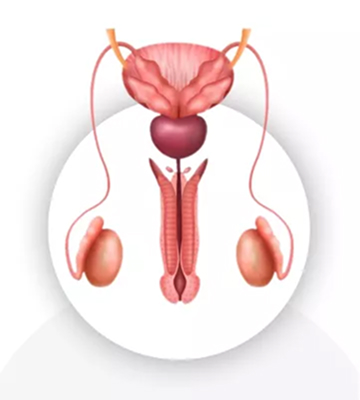
Overview
Male-factor infertility can raise many questions during fertility treatment, especially when sperm are not found in a semen sample. Couples may wonder whether biological parenthood is still possible and what options are available. The answer depends on the underlying cause of infertility, whether sperm production is affected and the findings of a fertility assessment. TESA IVF may be considered in selected cases, but it is not suitable for everyone.
Understanding when this option may be recommended, its limitations and the alternatives available can help couples make informed decisions about their fertility journey.
What Is TESA IVF?
Testicular sperm aspiration (TESA) is a minor surgical procedure used to collect sperm directly from the testicle. It may be considered when sperm are absent from the semen or cannot be obtained through ejaculation.
Normally, sperm travel from the testicles through a series of small tubes before leaving the body during ejaculation. A blockage or a problem with sperm production can interrupt this process. As a result, a semen sample may contain no sperm, even when some sperm remain within the testicles.
TESA uses a fine needle to collect a small amount of tissue and fluid from the testicle. A laboratory specialist then examines the sample for sperm.
TESA IVF may be an option for selected couples facing male-factor infertility. This blog explains when it may be recommended, how it works, its limitations and the alternatives available, as well as what patients should know before undergoing it.
Note: TESA collects sperm. It does not fertilise an egg or establish a pregnancy on its own. The complete treatment plan depends on the findings from both partners' fertility assessments.
Why Is TESA Recommended?
TESA may be considered when sperm cannot be found in a semen sample. This condition is known as azoospermia. However, azoospermia can have different causes, and diagnosing the condition before recommending TESA is essential.
There are two main types of azoospermia:
- Obstructive Azoospermia: Sperm production may continue, but a blockage prevents sperm from reaching the semen.
- Non-Obstructive Azoospermia: Sperm production is severely reduced or absent because of a problem affecting the testicles.
TESA may be useful in selected cases, especially when sperm production is preserved but a blockage prevents sperm from appearing in the semen. However, it may be less suitable when sperm production is severely impaired. In such cases, a different retrieval method may be considered.
Who May Need TESA?
A fertility specialist may suggest TESA when tests indicate that sperm may be available in the testicles but cannot be obtained through ejaculation. Possible situations may include:
- Obstructive Azoospermia: A blockage prevents sperm from entering the semen.
- Previous Reproductive Tract Surgery: An earlier operation may have affected the passage of sperm.
- Congenital Blockage or Absence of Reproductive Ducts: A structural difference present from birth may prevent sperm from reaching the semen.
- Difficulty Obtaining Sperm Through Ejaculation: A specialist may consider alternative collection methods after assessing the underlying cause.
- Planned ICSI: Testicular sperm may be collected when the clinical findings support their use for fertilisation.
TESA is not always recommended as a first-line treatment when doctors find no sperm in the semen sample. Some cases require a different approach, while others may need further investigation before any procedure is planned.
Step-by-Step TESA IVF Process
The procedure usually involves several stages. The process depends on the patient's condition and the fertility centre's clinical protocol.
Initial Fertility Assessment
The doctor reviews the medical history, previous surgical procedures and any semen analysis results, if available. A physical examination and selected tests may help identify whether the problem involves sperm production or a blockage.
It is best if both partners are assessed as part of the fertility plan. The findings help determine whether TESA and ICSI are appropriate.
Preparation for the Procedure
The clinical team explains the procedure, expected recovery and possible complications. Doctors may instruct the patient to avoid eating before the procedure and arrange transport home afterwards.
The patient should disclose any relevant health conditions, previous operations, allergies and current health-related products to the clinical team.
Sperm Collection
TESA is generally performed under local anaesthesia, although the approach may vary depending on the patient's circumstances. During the procedure, the doctor inserts a fine needle into the testicle and gently aspirates a sample containing tissue and fluid.
The procedure is intended to obtain sperm while limiting tissue injury. The sample is then sent to the laboratory for examination.
Laboratory Examination
A laboratory specialist checks the sample for sperm. The team assesses whether suitable sperm are available for the planned treatment. However, finding sperm cannot be guaranteed.
If the sample does not contain suitable sperm, the specialist explains the next steps based on the diagnosis and the options agreed upon before the procedure.
Fertilisation Through ICSI
When the team finds suitable sperm and plans ICSI, they inject a single sperm into a mature egg in the laboratory. The team monitors the resulting embryos for development. If an embryo is suitable for transfer, the fertility team determines the timing and approach.
Embryo Transfer and Pregnancy Testing
If an embryo transfer takes place, a pregnancy test is performed at the time advised by the fertility team. A positive result confirms pregnancy, but further monitoring is needed to assess its progress.
TESA vs TESE vs PESA
TESA, TESE and PESA are different methods of retrieving sperm. The most suitable method depends on where sperm may be found and why they are absent from the semen.
| Feature | TESA | TESE | PESA |
|---|---|---|---|
| Full form | Testicular sperm aspiration | Testicular sperm extraction | Percutaneous epididymal sperm aspiration |
| Collection site | Testicle | Testicle | Epididymis |
| Collection method | A fine needle aspirates a sample | A small piece of testicular tissue is removed | A fine needle collects fluid from the epididymis |
| Main purpose | To retrieve sperm from the testicle | To obtain sperm from testicular tissue | To retrieve sperm stored in the epididymis |
| Suitability | Depends on the cause of sperm absence | May be preferred when tissue sampling is needed | May be considered when sperm are present in the epididymis |
What are the Benefits of TESA IVF?
TESA may offer a sperm retrieval option for selected patients who cannot provide sperm through ejaculation. Potential benefits include:
- Direct sperm collection: Sperm may be obtained from the testicle when they are absent from the semen.
- A needle-based approach: TESA does not usually require the removal of a large tissue sample.
- Support for ICSI: Retrieved sperm may be used for ICSI if suitable sperm are available.
- A less extensive procedure in selected cases: Needle aspiration may involve less tissue removal than conventional surgical extraction.
- An individualised treatment plan: The findings may help the fertility team decide onthe most appropriate next step.
Note: TESA may not be the preferred approach for men with severely impaired sperm production.
Are There Any Possible Risks and Limitations?
TESA is generally considered a minor procedure, but it still carries potential risks. The specialist should explain these risks before obtaining consent. Possible complications include:
- Pain or tenderness: Temporary discomfort may occur at the collection site.
- Swelling or bruising: The scrotal area may swell or bruise after the procedure.
- Bleeding or a blood collection: Blood may collect within the surrounding tissue.
- Infection: The collection site may become infected.
- Injury to testicular tissue: Needle insertion may injure tissue.
- Failure to retrieve suitable sperm: The sample may contain no sperm or may not provide sperm suitable for the planned procedure.
TESA also has important limitations. It does not correct every cause of male infertility, and the presence of sperm does not guarantee successful fertilisation or pregnancy.
Note: Severe or increasing pain, marked swelling, fever, ongoing bleeding or redness that worsens after the procedure requires prompt medical assessment.
What Does Recovery After TESA Look Like?
Recovery varies from person to person. Many patients can return to light daily activities relatively soon, but the timing depends on the procedure, the type of anaesthesia and the individual's condition. The clinical team may advise the patient to:
- Rest for the period recommended by the specialist.
- Wear supportive underwear if advised.
- Keep the collection site clean and dry according to the care instructions.
- Avoid strenuous exercise, heavy lifting and sexual activity until cleared by the clinical team.
- Attend the scheduled follow-up appointment.
- Contact the clinical team if unusual symptoms develop.
Note: The patient should not resume demanding activities simply because the procedure was brief. Healing and discomfort vary, so recovery instructions should be individualised.
Factors to Consider Before TESA IVF
Before proceeding, the patient and fertility specialist should discuss the following:
- Is the absence of sperm caused by a blockage or impaired sperm production?
- What findings support the use of TESA in this particular case?
- Could TESE, microdissection TESE or another method be more appropriate?
- How will the sample be examined, and what happens if suitable sperm are not found?
- Will sperm retrieval occur before the planned IVF cycle or alongside it?
- What symptoms require urgent assessment, and whom should the patient contact?
- Are additional tests needed to understand the cause of infertility or guide treatment?
Conclusion
TESA IVF may help selected couples facing male-factor infertility by providing a way to retrieve sperm directly from the testicle. The collected sample is examined in a laboratory, and suitable sperm may be used for ICSI as part of an assisted fertility treatment plan.
However, TESA is not appropriate for every type of azoospermia. A careful assessment is needed to identify the underlying cause and select the most suitable retrieval method. Possible complications, the chances of retrieving suitable sperm, and alternative approaches should also be discussed with the doctor before treatment.
Frequently Asked Questions
TESA stands for testicular sperm aspiration. It is a procedure in which a specialist uses a fine needle to collect a sample from the testicle for laboratory examination.
No. TESA is a sperm retrieval procedure, while IVF is an assisted fertility treatment. When suitable sperm are obtained through TESA, they may be used for ICSI as part of an IVF treatment plan.
The procedure is generally performed under local anaesthesia, which helps reduce pain during sperm collection. Some tenderness, bruising or swelling may occur afterwards. The experience varies between patients.
TESA may help in selected cases of azoospermia. However, the outcome depends on whether sperm production is present and whether the chosen retrieval method is suitable. A specialist assessment is essential.
The specialist reviews the findings and discusses possible alternatives. Depending on the diagnosis, another retrieval technique or further investigation may be considered.
Visit us at Indira IVF Hospital in Dhaka, Bangladesh
Indira IVF, 6th Floor, 27 Shaptak Square, Dhanmondi Road No. 16 (old 27), Dhaka 1209

Why Choose Indira IVF Dhaka for Your Fertility Journey?

Accessibility
Making advanced laboratories and world-class technology easily accessible at Indira IVF Clinic in Bangladesh.

Affordability
Providing budget-friendly IVF price in Bangladesh so that every couple can get top-notch fertility

Assurance
Assurance from top fertility experts and technology for maximum success chances.

Awareness
Empowering patients to make the right choices through our transparent care & step-by-step guidance.

Advanced IVF Technology
Using advanced IVF technology and modern fertility solutions to support every step of your parenthood journey.

Fertility care under one roof
Complete fertility consultation, diagnosis, and treatment services available in one place.
