 09642 602507


Overview
The Sperm DNA Fragmentation Index is a very instrumental diagnostic test in determining the male fertility potential, particularly when unexplained infertility cases, recurring IVF/ICSI failure, or frequent miscarriages are involved. Here, we will cover the significance of the sperm DNA fragmentation index DFI test, its procedure, and its role in the treatment of male infertility.
Introduction
Month after month, you ask yourself the same question: “Why is this not happening for us?” Each negative test can feel heavy. Family questions, social events, and even your own thoughts can add to the strain.
Many couples are told that everything looks “normal”. That can feel confusing and lonely. You may feel relief and frustration at the same time. If this sounds familiar, please know that you are not alone, and you have not failed.
Sometimes, the missing piece lies in an aspect of male fertility that routine tests do not check. A DFI test looks deeper. It may help you and your doctor better understand what is happening, so you can plan the next step with more clarity and less guesswork.
What Is the DFI Test?
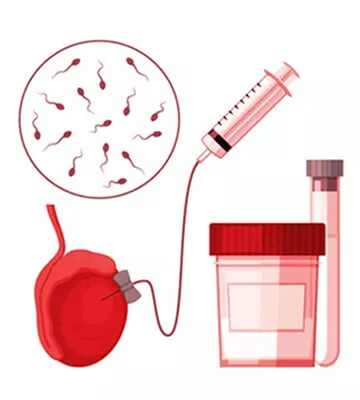
The Sperm DNA Fragmentation Index (DFI) test measures the percentage of sperm with damaged DNA in a semen sample. Each sperm carries half of a baby's genetic material from the father. Small breaks in this DNA are called DNA fragmentation.
The result is given as a percentage. A lower percentage means fewer sperm have damaged DNA, while a higher percentage means more sperm carry DNA damage.
A standard semen analysis counts sperm, checks how they move, and assesses their shape. However, it does not show how intact the DNA inside the sperm is. A man can have a normal sperm count and still have a high DFI. This is why the test may be useful when the cause of delayed conception is unclear.
Why Sperm DNA Health Matters
An embryo receives half of its genetic material from the father. If the sperm DNA is significantly damaged, the embryo may not develop as expected. Fertilisation may occur, but development may slow down or stop in the early stages.
Sperm DNA damage may also be associated with difficulty conceiving naturally and early pregnancy loss. However, research in this area is ongoing.
Who May Need a DFI Test?
Your doctor may suggest a DFI test in situations such as the following.
- Unexplained infertility, where the usual tests show no clear cause
- Repeated pregnancy loss
- Poor embryo development in earlier fertility cycles
- Several unsuccessful cycles of fertility treatment
- A history of exposure to heat, toxins or radiation
- Varicocele, which is an enlargement of veins in the scrotum
- Advancing paternal age
- Lifestyle factors such as smoking or heavy alcohol use
How the Test Is Done
The test is simple and painless. It requires only a semen sample.
Before the Sample
Your doctor will usually ask you to avoid ejaculation for two to five days beforehand. This helps keep the results consistent and reliable. Tell the clinic if you have had a recent fever or illness, as these can affect the results.
Giving the Sample
The sample is collected in a private room at the clinic. Some clinics may allow collection at home if the sample can reach the laboratory within the required time. Your care team will explain which option is best for you.
In the Laboratory
Specialists examine the sample using specialised methods to measure how many sperm have fragmented or damaged DNA. The results are usually available within a few days.
After the Report
Your doctor will review the findings with you. A single number does not tell the full story. The result is interpreted alongside your semen analysis, health history, and your partner’s test results.
Understanding Your DFI Results
| DFI Result | General Meaning | What It May Suggest |
|---|---|---|
| Below 15% | Low fragmentation | DNA integrity is generally considered good |
| 15% to 30% | Moderate fragmentation | Fertility may be somewhat affected. Lifestyle review is often advised |
| Above 30% | High fragmentation | A higher chance of difficulty. Further evaluation is usually recommended |
A high result is not a final answer. It does not mean pregnancy is out of reach. It simply gives your doctor a clearer picture to work with. Sperm DNA quality can also change over time, so some doctors may recommend repeating the test later.
What Can Raise DNA Fragmentation?
Sperm are sensitive cells. Many everyday factors can affect their DNA. Common contributors include the following.
- Smoking and tobacco use
- Regular or heavy alcohol intake
- Long exposure to heat, such as hot baths, saunas or laptops on the lap
- Prolonged fever or illness
- Infections of the reproductive tract
- Varicocele
- Ongoing stress and poor sleep
- Excess body weight
- Exposure to pollution, pesticides or certain chemicals at work
- Increasing age
Steps That May Help
Your doctor will plan care around your DFI result. Most men begin with changes at home, and the points below cover them.
- Quit smoking.
- Cut back on alcohol.
- Wear loose underwear and avoid long hot baths.
- Keep your laptop off your lap.
- Eat plenty of fruit and vegetables.
- Drink enough water every day.
- Walk or exercise at a moderate pace on most days.
- Sleep for seven to eight hours each night.
- Take a daily walk or spend an evening with family to ease stress.
- Ask your doctor to check for an infection or enlarged veins in the scrotum.
- Ask your fertility team about laboratory methods that select healthier sperm.
- Wait about three months before retesting, as sperm take that long to renew.
Supporting Each Other as a Couple
Male fertility testing can bring up difficult feelings. Some men may feel guilty or worry about their pride, while some partners may feel they are carrying the whole burden. Both reactions are human. Try to talk openly and without blame. Fertility is a shared journey. Attend appointments together when you can, and share your fears as well as your hopes.
If the emotional weight feels overwhelming, speak to your doctor or a counsellor. Asking for support is a sign of strength.
Conclusion
Waiting for a pregnancy is hard, and one more test can feel like too much. The DFI test assesses the condition of the DNA inside sperm, which a routine semen analysis does not show. Your doctor can use the results to help plan your treatment.
Every fertility journey is unique, and many couples go on to conceive with appropriate treatment. A high result gives your doctor a starting point for planning the next steps. With healthier habits, sperm DNA fragmentation may improve over about three months, although results vary from person to person.
You have waited a long time, and you deserve clear answers. Talk to a fertility specialist about the DFI test. Your dream of becoming parents may still be within reach.
Frequently Asked Questions
It measures the percentage of sperm that carry damaged DNA in a semen sample.
No. Only a semen sample is needed, so the test does not involve pain or an invasive procedure.
No. A semen analysis checks sperm count, movement, and shape. A DFI test assesses the integrity of the DNA inside the sperm.
Many laboratories consider a result below 15% to indicate low DNA fragmentation. However, reference ranges vary between laboratories, so your doctor will explain your report.
In some men, yes. Lifestyle changes and treatment of underlying causes may help. Your doctor can guide you on the appropriate steps.
No. A high result does not mean pregnancy is impossible, but it may influence your doctor's treatment recommendations. Many couples still conceive with appropriate care.
Doctors usually advise avoiding ejaculation for two to five days before the test. Your clinic will confirm the recommended period.
See a fertility specialist if you have been trying to conceive for 12 months without pregnancy. If you or your partner has a known health condition that may affect fertility, seek an evaluation earlier.
Meet Top Fertility Specialists in Bangladesh at Indira IVF


Visit us at Indira IVF Hospital in Dhaka, Bangladesh
Indira IVF, 6th Floor, 27 Shaptak Square, Dhanmondi Road No. 16 (old 27), Dhaka 1209



Why Choose Indira IVF Dhaka for Your Fertility Journey?

Accessibility
Making advanced laboratories and world-class technology easily accessible at Indira IVF Clinic in Bangladesh.

Affordability
Providing budget-friendly IVF price in Bangladesh so that every couple can get top-notch fertility

Assurance
Assurance from top fertility experts and technology for maximum success chances.

Awareness
Empowering patients to make the right choices through our transparent care & step-by-step guidance.

Advanced IVF Technology
Using advanced IVF technology and modern fertility solutions to support every step of your parenthood journey.

Fertility care under one roof
Complete fertility consultation, diagnosis, and treatment services available in one place.
