 09642 602507


Overview
Fertility journeys are not always easy. Negative test results, long appointments and difficult decisions can take a toll on a couple’s mental and emotional well-being. Fertility treatments like microfluidic sperm sorting may be able to help. A microfluidic sperm sorter is a small laboratory device that helps fertility clinics select healthy, active sperm without spinning them in a centrifuge. This article explains what it is, how it works, where it may help, what the research honestly says, and which questions to ask your clinic before deciding.
What Is a Microfluidic Sperm Sorter?
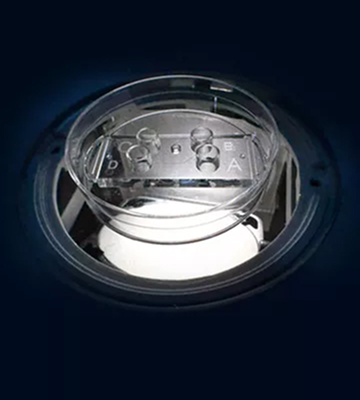
Microfluidic sperm sorting is a technique that helps fertility specialists isolate high-quality, motile sperm with intact DNA from a semen sample. A microfluidic sperm sorter is a small, single-use device used in fertility laboratories. "Microfluidic" simply means it works with extremely small amounts of fluid moving through tiny channels. The device separates sperm that swim well from those that do not, along with debris and other cells in a semen sample.
It is used as part of assisted reproduction, most often alongside in vitro fertilisation (IVF) or intracytoplasmic sperm injection (ICSI). In these treatments, an embryologist needs a clean, high-quality sperm sample to work with. The sorter is one way of preparing that sample. It does not treat the cause of infertility, and it is not a standalone treatment.
How Does It Work?
The idea behind using a microfluidic sperm sorter in procedures like IVF is simple: healthy sperm are strong swimmers, and the sorter lets them do the work themselves. A thin filter with microscopic pores separates them from a second chamber filled with a special culture fluid. Sperm that are active and swim forward travel through the pores and collect in the second chamber. Sperm that are slow, immotile or abnormally shaped tend to stay behind, along with most of the debris.
The process usually takes around 30 minutes. Because it relies on the sperm's own movement, no spinning is needed. The embryologist then collects the sperm from the second chamber and uses them for treatment, whether that is IVF, ICSI or, in some cases, intrauterine insemination (IUI).
Why Does Sperm Selection Matter?
A single ejaculate contains millions of sperm, but they are not all equal. Some have damaged DNA, some have an unusual shape, and many cannot swim effectively. During natural conception, the female reproductive tract acts as an obstacle course for sperm, helping select those that are more capable of reaching the egg. In the laboratory, this natural filtering process is absent, so embryologists need a reliable way to select suitable sperm.
Traditional preparation methods, such as density gradient centrifugation, also work well by spinning the sample at high speeds to separate sperm from the fluid. However, centrifugation may increase oxidative stress, which can damage sperm DNA. Microfluidic sperm sorting is one way to avoid this potential drawback.
Microfluidic Sorting vs Traditional Methods
| Feature | Centrifugation | Swim-Up | Microfluidic Sperm Sorting |
|---|---|---|---|
| How sperm are separated | The sample is spun through layers of fluids | Active sperm swim upwards into fresh liquid | Active sperm swim through a filter into another compartment |
| Spinning required | Yes | Yes, often for washing | No |
| Estimated time taken | 30 to 60 minutes | 45 to 60 minutes | 30 minutes |
| Dependent on sperm movement | Partly | Yes | Yes |
None of these techniques is the “best” for everyone. The right option depends on sample quality, the type of treatment, and your clinic's expertise.
Potential Benefits
Potential benefits of microfluidic sperm sorting include:
- Gentler handling: Because there is no centrifuge, the sperm experience less mechanical stress.
- Better form and movement: The sperm collected by this procedure are usually very motile and in better shape.
- Less debris: The final sample is generally much cleaner.
- Speed: The procedure is quick and takes little time.
Who Might Consider It?
Your doctor may discuss this option if one or more of the following applies to your condition:
- Tests show high sperm DNA fragmentation.
- Previous IVF cycles or ICSI cycles ended in poor fertilisation or poor embryo development without any clear reason.
- There have been repeated miscarriages, and male factors are being investigated.
- Semen analysis shows decreased movement or abnormal sperm shape.
- You simply want to avoid centrifugation for personal reasons, or if your clinic advises against it.
Keep in mind that when there is no sperm in the sample at all, microfluid sperm sorting is not applicable. This is because the device relies on sperm swimming. In very severe cases, other options, such as surgical sperm retrieval, may be considered instead. Before deciding what is good for you, have an open and honest conversation with your healthcare provider. Only a fertility specialist who knows your history can advise what fits your situation.
Questions to Ask Your Clinic
A good conversation with your fertility specialist can make the whole process a lot less daunting. Make a list of questions you want your doctor to answer, including:
- What do you suggest for our specific condition?
- What evidence supports it for people in our situation?
- What is the extra cost?
- Do you offer other sperm selection methods? How do they compare to this?
- What is your clinic’s own experience with microfluidic sperm sorting?
A good healthcare provider who wants nothing but the best for you will welcome your questions and answer them patiently and transparently. Remember, it is your right to ask questions.
Conclusion
The microfluidic sperm sorter is a thoughtful development in fertility care. By letting healthy sperm swim through a tiny filter, it offers a gentler alternative to spinning a sample in a centrifuge. For some people, particularly where sperm DNA damage is a concern, it may be worth discussing.
However, it is not a magic solution for everyone, and it may not be right for everyone. Research on live birth rates is still developing, so view it as one possible tool among many. The most helpful step you can take is to ask questions, understand the evidence and choose a clinic that is honest with you. Whatever path you take, you deserve clear information and kind, patient support.
Frequently Asked Questions
It is used by fertility clinics to choose the most active, healthy-looking sperm from a semen sample before treatments such as IVF, ICSI or IUI.
Yes, it is generally considered safe. The process uses the sperm's own movement and avoids spinning. The device is used only in the laboratory to prepare sperm. Your treatment itself is carried out as usual.
The evidence is mixed. It may lower DNA damage in the selected sperm, but studies do not consistently show higher pregnancy or live birth rates. No clinic can promise a result.
No. The sorting takes place in the laboratory after you provide a semen sample. Nothing extra is done to your body.
The price varies between clinics and countries, and it is usually charged as an optional extra on top of the main treatment. Ask for a written breakdown of the costs.
No. The device needs sperm that can swim. If no sperm are found in the sample, your doctor may recommend other sperm retrieval methods that could work for you.
Visit us at Indira IVF Hospital in Dhaka, Bangladesh
Indira IVF, 6th Floor, 27 Shaptak Square, Dhanmondi Road No. 16 (old 27), Dhaka 1209

Why Choose Indira IVF Dhaka for Your Fertility Journey?

Accessibility
Making advanced laboratories and world-class technology easily accessible at Indira IVF Clinic in Bangladesh.

Affordability
Providing budget-friendly IVF price in Bangladesh so that every couple can get top-notch fertility

Assurance
Assurance from top fertility experts and technology for maximum success chances.

Awareness
Empowering patients to make the right choices through our transparent care & step-by-step guidance.

Advanced IVF Technology
Using advanced IVF technology and modern fertility solutions to support every step of your parenthood journey.

Fertility care under one roof
Complete fertility consultation, diagnosis, and treatment services available in one place.
